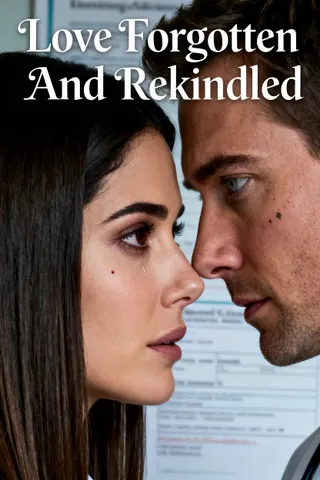
Love Forgotten And Rekindled
- Contemporary
- Doctor
- Memory Loss
- Substitute
48 readers · 6 chapters · 2 free
Synopsis
The doctor said, "It's the early signs of hippocampal atrophy. Your cognitive assessment score is 21. Ms. Bennett, you're only twenty-eight." The doctor slid my brain CT onto the lightbox. Under the stark white glow, my brain looked like an abstract painting. That faint shadow in the left hippocampus was destiny's mark on me. "Early-onset Alzheimer's," he declared, taking off his glasses and rubbing his brow. "It progresses faster than in older patients. Memory loss, disorientation, language decline… Eventually, you'll even forget how to swallow." The air-conditioning in the exam room felt too cold. I stared at that shadow. I thought about last month when I forgot the elevator code at work, last week when I couldn't find my car in the supermarket parking lot, and yesterday when I walked out wearing my husband, Xander Coleman's white coat, thinking it was my own. "How long do I have?" I asked, surprised at how steady my voice sounded. "It varies. In faster cases, short-term memory can noticeably decline within a year. In about three years, you may not recognize those close to you. And in five years…" He paused. "But there are new drugs in clinical trials." I nodded and took the diagnosis. The paper was light, but it made my wrist tremble. When I stepped out of the hospital, the early summer sun was so bright it hurt my eyes. My phone rang. The screen showed "Xander". He was the youngest chief neurosurgeon at Mercy Hospital, a genius in the medical field. And for the past three years, he had treated me as a substitute for another woman. "I have surgery tonight. I won't be home," he said. His voice over the line was as cold as surgical steel. "Xander." I tightened my grip on the diagnosis. "What if one day… I forget you?" There was a short silence. The faint rustle of papers came through the phone. "Don't make such pointless jokes. There's ready-made food in the fridge. Heat it up yourself." The line went dead. I stood at the hospital entrance, staring at the words "Alzheimer's disease" on the diagnosis, and suddenly laughed until tears blurred my vision. How ironic. My husband was an expert on the brain, yet he had no idea his wife was losing hers. And the woman he could never forget—Shelby Hughes, his late wife—had died of a brain tumor.